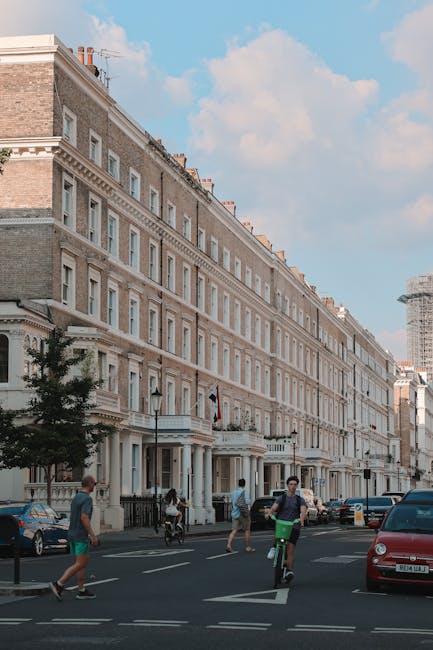
Permits and council rules for cleaning in South Kensington
If you are arranging a cleaner, a deep clean, or a specialist service in South Kensington, the tricky part is not always the cleaning itself. It is often the permits, access rules, parking restrictions, waste handling, and building-specific requirements that trip people up. Permits and council rules for cleaning in South Kensington can feel a bit opaque at first, especially in a part of London where streets are tight, residents expect discretion, and many properties sit inside managed buildings or conservation-sensitive settings.
Truth be told, most cleaning jobs go fine once the practical details are lined up. But if you skip the permissions piece, you can end up with delays, extra costs, unhappy neighbours, or a cleaner who cannot even get close enough to start. This guide breaks the topic down in plain English: what rules usually matter, how the process works, who needs to pay attention, and how to plan a cleaning job that stays smooth from first call to final wipe-down.
We will also look at the common mistakes people make, a simple step-by-step plan, and a practical checklist you can use before anyone turns up with a van, a pressure washer, or a bucket of equipment. If you are booking deep cleaning, end of tenancy cleaning, office cleaning, or even something routine like regular cleaning, the same basic rules about access and compliance can still apply.
Table of Contents
- Why permits and council rules matter
- How the process works in practice
- Key benefits and practical advantages
- Who needs this and when it makes sense
- Step-by-step guidance
- Expert tips for better results
- Common mistakes to avoid
- Tools, resources and recommendations
- Law, compliance, standards and best practice
- Options and comparison table
- Case study or real-world example
- Practical checklist
- Conclusion
- Frequently asked questions
Why Permits and council rules for cleaning in South Kensington Matters
South Kensington is not the kind of place where you can assume there will be easy parking, wide loading bays, or a forgiving approach to noise. A lot of the area is busy, highly regulated in practice, and full of buildings with their own access arrangements. That matters for cleaning because cleaners often need more than just a front door key. They may need somewhere to stop, unload equipment, run hoses, empty wastewater responsibly, or work around concierge instructions.
Even when the cleaning is entirely indoors, council-related rules can still shape the job. Think of a block where the only access is through a managed lobby, or a flat that sits above a restaurant and has strict service-hour rules. Or a townhouse where the cleaner needs to bring in extraction equipment for steam carpet cleaning. The work itself may be straightforward, but the logistics? Not always.
There is also the reputational side. In a neighbourhood where residents, landlords, and managing agents expect things to be done properly, compliance is part of trust. If a cleaning company knows how to plan around permits, access windows, waste rules, and noise sensitivity, that usually shows up in a calmer experience for everyone involved.
Expert takeaway: In South Kensington, the difference between a clean that feels effortless and a clean that becomes a headache is often a few simple permissions arranged early.
How Permits and council rules for cleaning in South Kensington Works
The phrase sounds formal, but in practice it covers a handful of recurring issues. You are usually dealing with one or more of the following:
- Parking and loading restrictions for vans or equipment.
- Building access rules set by landlords, managing agents, concierge teams, or residents' associations.
- Noise and timing expectations, especially in managed flats or mixed-use streets.
- Waste disposal rules for dirty water, packaging, removed debris, or post-job rubbish.
- Health and safety requirements if the cleaning includes wet floors, ladders, chemicals, or work at height.
Sometimes people use the word "permit" broadly. They may actually mean a council-issued parking permission, a building access authorisation, or a temporary arrangement with a porter or estate office. So it helps to separate the different layers. A cleaner might not need a special cleaning permit as such, but they may still need lawful parking, safe loading, and permission to work within the property. Small difference, big impact.
For example, if a team is carrying equipment into a block for communal area cleaning, the building may insist on advance notice, lift protection, and set working hours. If the job includes external windows, there may be height and access considerations too, and window cleaning often raises these practical questions faster than anything else.
In South Kensington, good planning tends to follow a simple sequence: confirm access, confirm parking or drop-off arrangements, confirm the scope of work, and then confirm disposal and cleanup. That order saves a surprising amount of stress. Really, it does.
Key Benefits and Practical Advantages
People usually think of permits and council rules as friction, but done properly they make the cleaning job better. Here is how.
- Fewer delays: The team can arrive, unload, and start without getting stuck figuring things out at the kerbside.
- Lower risk of fines or complaints: Parking and loading issues are one of the easiest ways to turn a routine visit into an avoidable problem.
- Cleaner work environment: When access is planned, cleaners can focus on the actual task instead of tiptoeing around obstacles.
- Better results in time-sensitive jobs: This matters for move in cleaning, move out cleaning, and after builders cleaning, where timing is often tied to key handover or inspection.
- Less disruption for neighbours: Nobody likes a van blocking a narrow street or a noisy start before people are fully awake.
- Better trust with landlords and managers: A tidy, compliant operation reassures everyone involved.
There is a second benefit people do not always mention: predictable pricing. Once parking, access, and scope are clear, quotes are usually easier to understand. That is why pages like pricing and quotes matter as part of the planning process. Unclear access can make a simple job feel expensive, and frankly nobody enjoys surprise add-ons at the end.
Who This Is For and When It Makes Sense
This topic is relevant to a wide range of people, not just commercial contractors or landlords. If the cleaning job in South Kensington involves any kind of access, parking, shared space, or building management, you should think about permits and council rules early.
It is especially relevant for:
- Homeowners booking larger one-off cleans, carpet work, or external cleaning.
- Tenants arranging end-of-tenancy or pre-inspection cleaning.
- Landlords and letting agents coordinating handovers between occupiers.
- Office managers arranging out-of-hours or low-disruption cleaning.
- Hospitality hosts who need dependable turnaround times, especially for Airbnb cleaning.
- Managing agents handling communal corridors, entrances, and shared facilities.
It also makes sense if the job includes specialist services such as patio cleaning, facade cleaning, or gutter cleaning. Those services can bring extra access or safety questions into play. Not dramatic, just practical. But practical is the thing here.
If you are only having a quick domestic tidy, you may not need to think too hard about council rules. Still, even a routine visit can become a nuisance if the cleaner cannot stop outside, cannot carry kit through the building, or cannot manage waste properly. So yes, it is worth checking.
Step-by-Step Guidance
Here is a simple way to handle the planning side without overcomplicating it.
- Define the cleaning scope clearly. Decide whether this is domestic cleaning, deep cleaning, specialist upholstery work, or an external job. A vague brief makes everything else wobble.
- Check the property type. Is it a basement flat, townhouse, managed apartment, office, retail unit, or mixed-use building? Each one tends to have different access expectations.
- Ask about parking and unloading. If a van is needed, check whether there is a loading bay, a drop-off zone, visitor parking, or a local restriction that affects arrival time.
- Confirm building rules. Many blocks require prior notice for contractors, protective coverings in lifts, or sign-in on arrival.
- Review timing restrictions. Early mornings, evenings, and weekend visits can be sensitive. A good plan avoids conflict.
- Sort waste and water handling. This matters for carpet extraction, wet cleaning, and any job that produces residue. If the service includes carpet cleaning or upholstery cleaning, ask how wastewater is managed.
- Get written confirmation. A simple email or message confirming access, parking, and any building conditions is worth its weight in gold.
A small real-world tip: if the job is in a busy street and the cleaner uses specialist equipment, ask them to arrive a little earlier than the actual cleaning slot. Ten minutes can be the difference between a relaxed setup and a stressful one. And honestly, stress is expensive.
If you are dealing with a more involved project, such as one-off cleaning or domestic cleaning after a long period of buildup, the same logic applies. The deeper the clean, the more important the logistics.
Expert Tips for Better Results
These are the little things that tend to separate a smooth job from a messy one.
- Ask about access before you ask about price. Price is useful, of course, but access can change everything.
- Keep keyholder details ready. If a concierge, porter, or neighbour is letting the team in, make sure everyone knows the timing.
- Use a building-specific checklist. Some properties need floor protection, lift lining, signed contractor logs, or a booking slot for service entrances.
- Match the service to the setting. A busy office, a furnished flat, and a newly renovated property do not need the same prep. A office cleaning booking has different sensitivities from a house cleaning appointment.
- Think about odour and ventilation. Some products and wet processes need fresh air and drying time. For example, pet stain odour removal or mattress cleaning can benefit from good ventilation and a clear plan for drying.
- Confirm insurance and safety standards. This is not just box-ticking; it protects both sides if something goes wrong.
One thing we see a lot: people forget that cleaners are often working around the lives of other people in the building. A respectful arrival, a tidy van, and clear communication go a long way. Sounds simple. It is simple. Yet somehow that is where many jobs go sideways.
If you want a company that treats these practical points seriously, it is worth reviewing the business's own health and safety policy and insurance and safety information before booking.
Common Mistakes to Avoid
A lot of problems are completely avoidable. The issue is usually that people assume someone else has already sorted the details.
- Assuming parking will be easy. In South Kensington, that can be a costly assumption.
- Booking before checking building rules. Some blocks need notice for contractors. Some require ID. Some have tight service hours.
- Not explaining the scope. If the cleaner expects a light refresh but the real job is much deeper, everything gets awkward.
- Forgetting waste and packaging. Even a modest cleaning job can create rubbish, empty containers, or removed items that need a plan.
- Ignoring noise sensitivity. Vacuuming, extraction machines, and ladder work can all be disruptive at the wrong time.
- Choosing a service without checking its suitability. For example, steam carpet cleaning is excellent in many cases, but it is not always the best option for every material or drying window.
Another surprisingly common one: not knowing who is responsible for access. Is it the resident, the landlord, the managing agent, or the host? If that is unclear, stop and clarify it. A five-minute message now saves a fifty-minute delay later. Every time.
Tools, Resources and Recommendations
You do not need a giant toolkit to manage permissions well, but a few simple tools make the whole thing easier.
- A written job brief with address, access notes, and the cleaning scope.
- A contact list for the resident, concierge, agent, or keyholder.
- A photo of the entrance or loading area if the property has awkward access.
- A checklist for building rules covering lifts, mats, security, and time windows.
- Clear quote notes so you understand what is included and what might add time.
For a company, internal processes matter too. Pages such as terms and conditions, privacy policy, and recycling and sustainability help show how the business handles customer data, waste awareness, and service expectations. Not glamorous, maybe, but useful.
If you are comparing providers, pay attention to whether they explain access needs calmly and specifically. A good operator will not bluff. They will tell you if the service needs a lift booking, a parking arrangement, or a bit of extra time. That honesty is worth something.
Law, Compliance, Standards, or Best Practice
It is wise to treat this area as a mix of legal duty, council practice, building rules, and professional standards. The exact requirements can vary by property and job type, so you should be careful not to assume one rule covers everything. A cleaner working in a private home, for example, will face different expectations from a team servicing a managed commercial building or a shared residential block.
In plain terms, the main compliance themes are usually:
- Parking and loading compliance with local restrictions and any site-specific instructions.
- Health and safety for wet floors, cables, chemicals, lifting, and access equipment.
- Waste handling so removed debris, dirty water, and packaging are dealt with appropriately.
- Building management rules that may require notice, sign-in, or contractor supervision.
- Service standards around courtesy, tidiness, and protecting shared areas.
Best practice is to document the practical details before the visit. Not because everyone is expecting a legal masterpiece, but because good records reduce confusion. If there is a later question about access or timing, having the plan in writing is a comfort. In our experience, that alone prevents quite a few unnecessary conversations.
For higher-risk services, the standard should be even tighter. A specialist job such as facade cleaning or after builders cleaning may involve more equipment, more protection for surfaces, and a stronger need for safe working arrangements. If a company is serious about this, it should be visible in the way it plans the job, not just in the sales pitch.
Options, Methods, or Comparison Table
Different cleaning scenarios call for different levels of preparation. This table gives a simple way to compare them.
| Cleaning scenario | Typical permission concern | Best planning approach | Common risk if ignored |
|---|---|---|---|
| Domestic flat cleaning | Building access and parking | Confirm entry, lift use, and arrival window | Delayed start, upset neighbours |
| End of tenancy cleaning | Key handover and inspection timing | Book after removals, before checkout | Missed deadlines, rushed work |
| Office cleaning | Out-of-hours access, security controls | Agree a clear slot and sign-in process | Staff disruption, security issues |
| Carpet or upholstery work | Equipment transport, drying time | Check parking, ventilation, and room use | Longer drying, blocked access |
| External cleaning | Height, loading, and site protection | Plan access carefully and confirm safety measures | Suspended work, complaints, safety concerns |
If you are trying to decide between regular maintenance and a deeper clean, think about access first and finish quality second. That sounds backwards, maybe, but it is often the smartest order. A well-planned routine clean can be easier to schedule than an ambitious clean that lands at the wrong time or in the wrong place.
Case Study or Real-World Example
Imagine a furnished flat near the museum quarter with a tenant moving out on Friday, inventory check on Saturday morning, and a cleaner booked for Friday afternoon. On paper, it looks straightforward. Then the real-world details appear: the building needs contractor sign-in, the street has limited stopping, the lift requires protective mats, and the concierge only accepts access during a fixed window.
If those details are checked early, the job still works. The cleaner arrives with the right kit, the resident knows the schedule, and the building team is ready. A carpet clean can happen without clogging the entrance, and the flat is ready for inspection the next morning. If the details are not checked, the cleaner may spend half the appointment waiting for access, or the job may need to be rescheduled. Not ideal. At all.
We have seen the same pattern with end of tenancy cleaning and move in cleaning. The actual cleaning is only part of the story. The real difference comes from timing, access, and making sure the property manager, agent, or occupant is all on the same page. That is the boring bit that saves the day.
Practical Checklist
Use this before any cleaning job in South Kensington that involves access, parking, or building rules.
- Have you confirmed the exact address and property type?
- Do you know who is responsible for access on the day?
- Has parking or loading been checked for the arrival window?
- Are building rules, concierge hours, or contractor sign-in steps known?
- Does the cleaner know whether lifts, stairs, or shared hallways are involved?
- Have you explained the full scope of work clearly?
- Do you know whether the job creates waste, dirty water, or packaging that needs handling?
- Have you checked whether the service needs drying time or ventilation?
- Is the quote based on the real access conditions, not a guess?
- Have you kept written confirmation of the plan?
If you can tick most of those off, you are in a good place. If not, do the checking now, not later. It feels minor at the start, then suddenly it is the whole job.
Get a free quote today and see how much you can save.
Conclusion
Permits and council rules for cleaning in South Kensington are really about making a good job possible in a busy, tightly managed part of London. Most of the time, the challenge is not legal complexity so much as practical coordination: parking, access, timing, waste, and building expectations. Get those right, and the cleaning usually becomes far easier, calmer, and better value.
That is the heart of it. Ask the awkward questions early, keep the details in writing, and choose a provider who treats compliance as part of the service rather than an afterthought. Do that, and the whole experience feels more professional and a lot less stressful. Which, let's face it, is exactly what everyone wants.
And if you are still weighing up the right kind of service, remember that the best cleaning result often starts before the first cloth touches a surface. It starts with good planning, clear permissions, and a bit of common sense. Simple, but powerful.
Frequently Asked Questions
Do I need a permit for cleaning in South Kensington?
Not always. It depends on the type of cleaning, whether a vehicle needs to stop nearby, and whether the building has its own contractor rules. Often the issue is parking or access rather than a specific cleaning permit.
What council rules usually affect cleaning jobs?
The most common ones are parking and loading restrictions, waste handling expectations, noise sensitivity, and the practical rules set by managed buildings. Those are the things that tend to matter most on the day.
Can a cleaner park outside my property while they work?
Sometimes, but you should never assume it. In South Kensington, stopping arrangements can be limited and time-sensitive. It is much better to confirm loading or parking before the appointment.
Do I need to tell my landlord or managing agent?
If the property is in a managed block, yes, usually you should. Some buildings require notice for contractors or have specific access instructions. A quick message beforehand can prevent a lot of friction.
What if my cleaning service needs equipment brought in?
Then access planning matters even more. Larger equipment may need lift use, wide entry paths, or a clear unloading point. This is especially relevant for carpet, upholstery, and deep cleaning jobs.
Are there special rules for communal areas?
Yes, communal spaces usually need extra care. Residents and building managers often expect quiet access, protected floors, and minimal disruption. Services such as communal area cleaning should be planned around those expectations.
Does waste from cleaning need special disposal?
It can, depending on the job. Dirty water, packaging, removed debris, and similar materials should be handled responsibly. A professional cleaner should be able to explain how they manage that side of the work.
What is the best time to book cleaning in South Kensington?
That depends on the property and the building rules, but quieter windows are usually easier. Mid-morning or early afternoon often works well for access, though some offices and managed buildings need out-of-hours slots.
Is end of tenancy cleaning different from a normal clean?
Yes, because timing and inspection standards are usually stricter. It often needs coordination with move-out dates, inventory checks, and access for the next occupier or agent. Planning matters a lot here.
What should I ask a cleaning company before booking?
Ask about access, parking, building rules, insurance, timing, drying time if relevant, and how they handle waste or protected surfaces. A serious company will answer clearly, not dodge the question.
Do external cleaning jobs need extra permission?
They often do. Anything involving ladders, high-level access, or exterior surfaces may need more careful planning and safety controls. Facades, gutters, patios, and windows are all worth checking in advance.
How can I avoid delays on the day?
Confirm the appointment details in writing, make sure the cleaner knows who is letting them in, and check parking or access the day before. That simple routine prevents most avoidable delays.
Where can I find more service information?
You can review relevant pages such as about us, pricing and quotes, and the company's terms and conditions to understand how the service is structured before you book.